
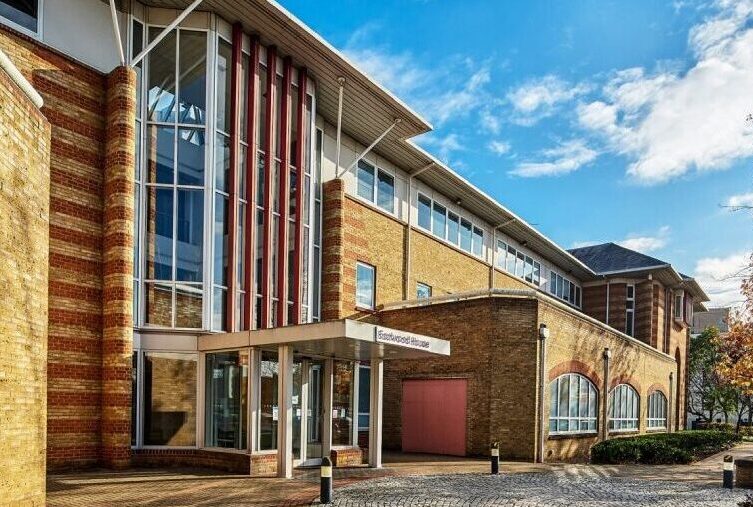
A serviced office is a ready to use private workspace within a larger business centre, usually with shared facilities and flexible terms. A managed office is more self contained and tailored to one business, often with greater control over layout, branding and internal facilities. Both reduce the work involved in running an office, but they suit different stages of business growth.
For freelancers, startups and small teams, serviced offices are often the simpler option because they combine flexibility with predictable costs. Larger businesses that want a dedicated branded environment may prefer a managed office.
What Is a Serviced Office?
A serviced office is a private workspace that is already furnished, connected and ready to use.
The building operator manages the wider premises, so businesses do not need to arrange separate contracts for services such as broadband, utilities or cleaning. Facilities such as kitchens, meeting rooms and reception areas are often shared with other companies in the building.
This makes serviced offices particularly useful for businesses that want to move quickly or avoid committing to a conventional commercial lease.
Create Business Hub, for example, offers fully serviced private offices in Chelmsford with flexible monthly contracts. Businesses can explore serviced offices in Chelmsford to see how this model works in practice.
What Is a Managed Office?
A managed office also removes much of the day to day responsibility of running premises, but the space is usually more exclusive to one business.
Instead of moving into a standard office within a shared business centre, the workspace can often be configured around the company using it.
This may include changes to:
- Desk layouts
- Meeting room arrangements
- Branding
- Furniture
- Technology
- Breakout spaces
The provider still manages many of the operational elements, but the office feels more like the company’s own workplace.
Managed offices therefore sit somewhere between serviced offices and conventional leased premises.
What Is the Main Difference Between Serviced and Managed Offices?
The biggest difference is the level of control and exclusivity.
A serviced office usually sits within a larger flexible workspace used by several businesses. You have your own private office, but amenities such as kitchens, reception and meeting facilities may be shared.
A managed office is more likely to be self contained and designed around one company.
This means a serviced office tends to prioritise flexibility and convenience, while a managed office gives businesses greater control over how the workspace looks and operates.
Which Option Offers More Flexibility?
Serviced offices generally offer shorter and more flexible agreements.
Depending on the provider, businesses may be able to rent space for a matter of months rather than committing for several years. This makes them particularly useful for startups and growing companies whose headcount may change quickly.
Managed offices tend to involve longer commitments because the provider may be investing in a workspace specifically for your business.
The exact terms vary, so always ask how easily you can increase or reduce the amount of space you occupy.
For a small business, the ability to change offices as the team grows can be more valuable than having a highly customised workspace.
How Do the Costs Compare?
Both serviced and managed offices simplify office costs compared with managing traditional premises yourself.
A serviced office will often combine several expenses into one monthly payment. Depending on the provider, this can include:
- Rent
- Business rates
- Utilities
- Broadband
- Cleaning
- Maintenance
- Shared facilities
Create Business Hub’s Chelmsford office packages, for example, include business rates, utilities, cleaning, broadband and access to communal facilities.
Managed offices can also use an inclusive pricing model, but the overall cost may be higher because the space is being fitted out or configured specifically for one company.
When comparing the two, look beyond the monthly headline figure. Ask what is included and whether there are separate charges for meeting rooms, internet, furniture or maintenance.
Which Gives You More Privacy?
Both options provide more privacy than an open coworking desk, but managed offices generally provide greater separation from other businesses.
In a serviced office, your team works behind its own office door, but staff may still share kitchens, reception areas and communal spaces with other members.
For many small businesses, this works well. You keep private working space while also gaining access to a wider professional community.
A managed office is better suited to companies that need their entire workplace to remain private or have specific security requirements.
What About Branding and Personalisation?
Managed offices usually provide more scope for branding.
A company may be able to choose its furniture, colours, room layout and signage so the workspace reflects its identity.
Serviced offices are normally more standardised, although this does not mean they have to feel impersonal.
Create Business Hub allows businesses at its Chelmsford location to add personalised company nameplates and adapt their private workspace to better reflect their brand.
For many small companies, this offers enough individuality without the expense of designing an entire office from scratch.
Which Is Better for a Small Business?
For many small businesses, a serviced office provides the better balance of cost, flexibility and convenience.
You can move into a professional workspace without purchasing furniture, setting up utilities or signing a long commercial lease. If the team grows, you may also have the option to move into a larger office within the same business centre.
Managed offices become more attractive when a business reaches the point where it wants greater control over its environment.
For example, a larger team might need its own reception area, meeting rooms and branded breakout spaces. At that stage, the additional commitment may be worthwhile.
Think About the Facilities You Actually Need
It is easy to become focused on labels such as “serviced” and “managed”, but the practical details matter more.
Before choosing an office, think about how your team works.
Do you need meeting rooms every day or only occasionally?
Do staff need somewhere quiet for video calls?
Will clients regularly visit the office?
Do you need your own kitchen and breakout space?
Is parking important?
How often will everyone be in the office at the same time?
The answers will help you decide whether shared facilities are an advantage or a limitation.
Businesses looking outside Chelmsford can also explore flexible office options in Brentwood and Shenfield.
Serviced Office vs Managed Office at a Glance
Serviced Office
Usually best for:
- Freelancers
- Startups
- Small businesses
- Hybrid teams
- Businesses that need flexibility
Typical features include:
- Ready to use private offices
- Flexible agreements
- Shared meeting and communal spaces
- Furniture and broadband included
- One monthly payment for several services
Managed Office
Usually best for:
- Larger teams
- Established businesses
- Companies wanting a branded headquarters
- Businesses needing more privacy
- Teams with specific layout requirements
Typical features include:
- Dedicated private space
- Greater customisation
- Company branding
- Tailored layouts
- Provider managed facilities
Frequently Asked Questions
Is a serviced office the same as a managed office?
No. A serviced office is usually a private office within a larger shared business centre, while a managed office provides more exclusive space that can be tailored to one company.
Are serviced offices cheaper than managed offices?
They often have lower upfront costs because the workspace is already fitted out and facilities are shared. The final cost depends on location, team size, services and contract length.
Can you customise a serviced office?
Customisation is usually more limited than in a managed office, but some serviced office providers allow businesses to personalise their workspace with signage, furniture or decoration.
Are serviced offices suitable for growing businesses?
Yes. Flexible agreements make serviced offices particularly useful for businesses whose team size may change. You may be able to move into a larger office without relocating to a completely different building.
Do serviced offices include meeting rooms?
Many do. Meeting rooms may be included in a package or available to book when needed. Always check the provider’s terms before choosing a workspace.
Final Thoughts
The difference between a serviced office and a managed office comes down to flexibility, control and how much of the space you want to call your own.
A managed office gives an established team greater freedom to shape its workplace. A serviced office offers a quicker, simpler route to professional office space, making it especially attractive to freelancers, startups and small businesses.
Rather than choosing based on the label alone, think about your team size, budget, growth plans and the facilities you will use each week.
If you are considering a flexible workspace in Essex, explore Create Business Hub’s serviced offices in Chelmsford, Brentwood and Shenfield, or contact the team to discuss which workspace would suit your business.